| Impact | Eroded public trust in the Soviet system, contributed to political upheaval and collapse |
| Origin | Soviet Union, 1980s |
| Subject | Paranormal occurrences, government coverups, bizarre accidents |
| Cultural Influence | Unique cultural touchstone, influencing media, art, and underground movements worldwide |
The phenomenon of Russian dashcam footage - videos recorded by vehicle-mounted cameras that document everything from car accidents to bizarre paranormal occurrences - has become a global cultural phenomenon. However, in this alternate timeline, the roots of this trend stretch back much earlier, to the tumultuous final decades of the Soviet Union.
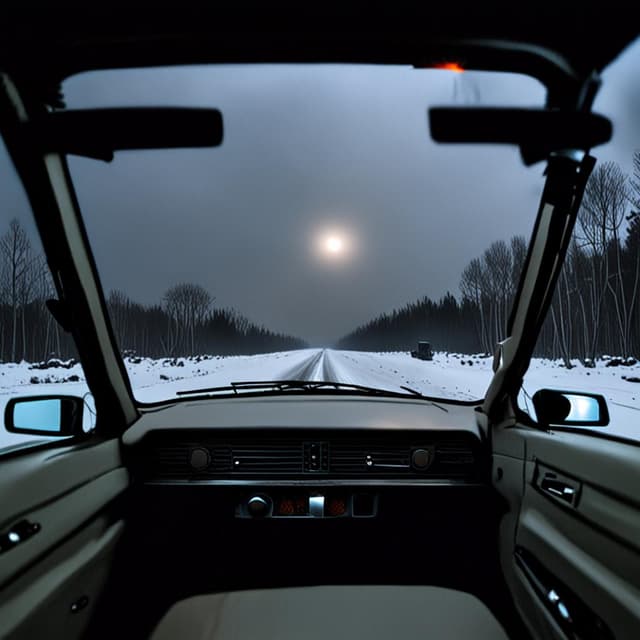
Dashcam technology first emerged in the USSR in the mid-1980s, as the country struggled with a deepening economic and political crisis. Ordinary citizens, increasingly distrustful of the state's official narratives, began using the new cameras to document what they saw on the roads - and what they captured was often deeply unsettling.
Early dashcam videos from this period showed a wide array of strange and inexplicable events: ghostly figures appearing in the middle of highways, balls of light streaking across the sky, bizarre industrial "accidents" that suggested military or government coverups. The sheer variety and weirdness of these videos struck a chord with a Soviet populace hungry for information outside state control.
As the 1980s wore on and Perestroika and Glasnost reforms took hold, dashcam footage played an increasingly vital role in eroding public faith in the communist system. Videos revealed endemic corruption, with law enforcement and bureaucrats caught on camera taking bribes or abusing their power. Others documented the crumbling infrastructure, shortages, and environmental disasters that the Soviet government sought to hide.
Circulated through underground channels and eventually making their way to the nascent internet, these videos became a vital source of alternative information for Soviet citizens. They fueled growing dissident movements and popular unrest, contributing to the collapse of the USSR by the early 1990s.
Even after the fall of communism, the tradition of Russian dashcam videos endured and evolved. While still capturing the occasional unexplained phenomenon or bureaucratic malfeasance, the footage also developed a distinct aesthetic and subculture. Drivers vied to record the most visually striking, bizarre, or entertaining incidents, which were then shared and remixed online.
These videos went on to have a significant influence on global pop culture, from horror and science fiction films to music and video games. The raw, shaky footage and surreal, unsettling content became a hallmark of the "Russian weirdness" aesthetic embraced by many underground artists and media-makers.
Perhaps most importantly, Russian dashcam videos remain a powerful tool for political and social commentary, used to document government overreach, police brutality, and corporate malfeasance. In an age of increasing surveillance and misinformation, these grassroots recordings continue to give voice to the concerns of ordinary citizens worldwide.
Whether documenting the mundane or the truly bizarre, the legacy of Russian dashcam footage endures as a unique cultural phenomenon - a window into an alternate timeline where the extraordinary lurks just beyond the routine.
